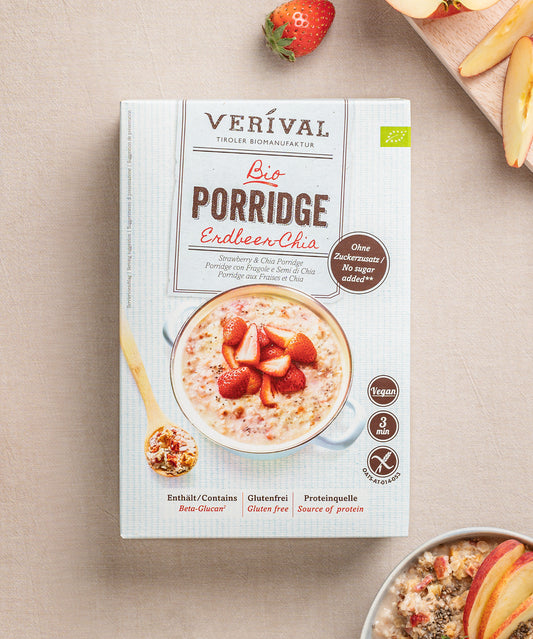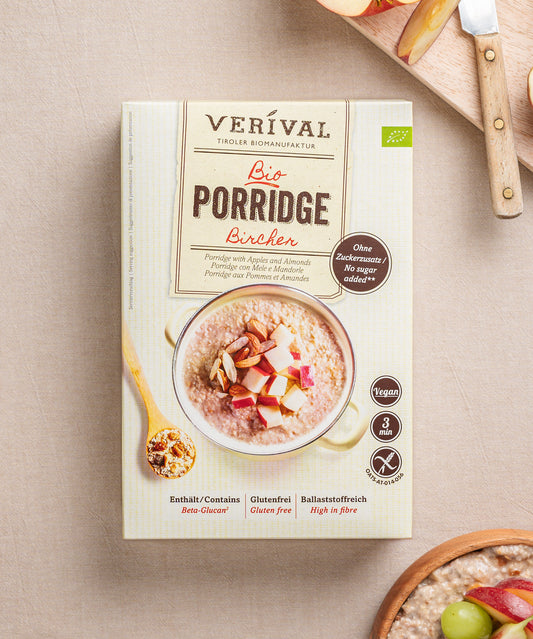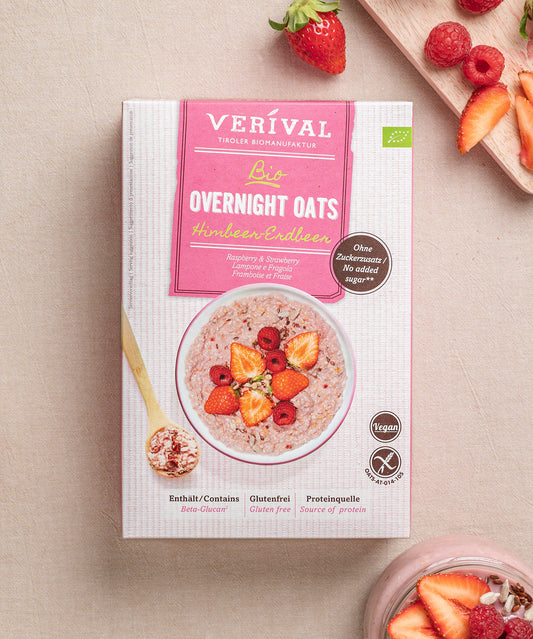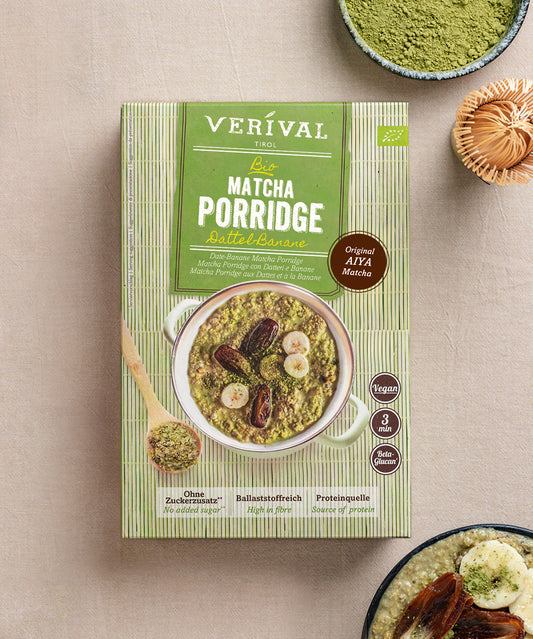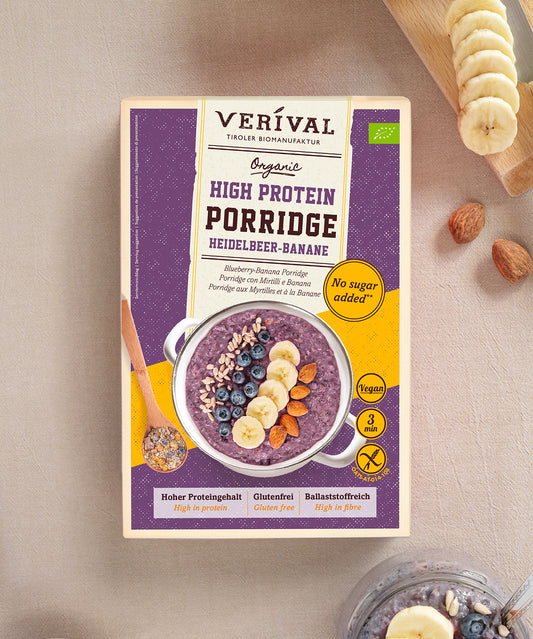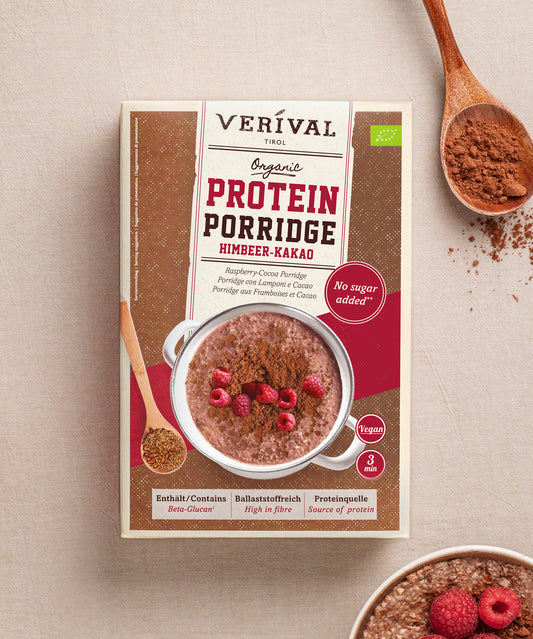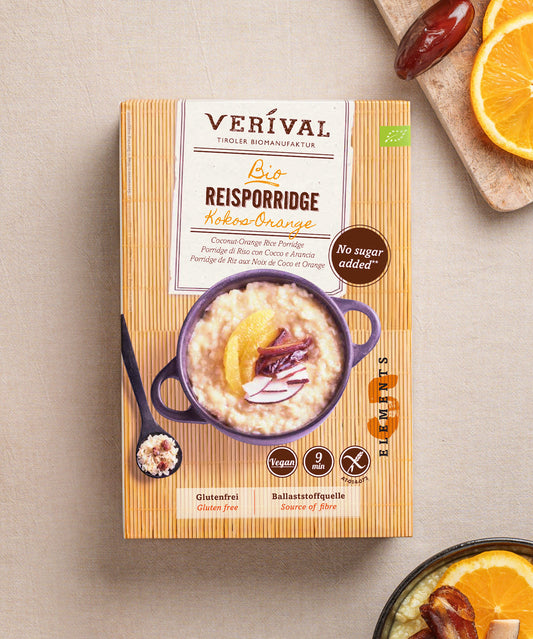

The last few weeks before giving birth bring many questions. One of them is often: How can I start my day in a way that keeps my body calm and stable? A breakfast based on the Louwen Diet can provide guidance here and shows that a blood sugar-friendly diet does not have to taste like deprivation, but can be a pleasant start to the day.
Verival breakfast with no added sugar – try it now
What does breakfast according to the Louwen diet mean?
During the Louwen diet, the focus in the last six to eight weeks before giving birth is on foods that keep blood sugar levels stable and provide energy slowly. This basic idea applies especially to breakfast, as the body is very sensitive to fast sugars after a night's sleep. A Louwen-friendly breakfast combines complex carbohydrates, proteins and healthy fats for a balanced start to the day.
Why breakfast is particularly important during the Louwen phase
After several hours without food, carbohydrate stores are depleted and the metabolism reacts more strongly to anything that enters the bloodstream quickly. A breakfast with a low glycaemic load supports a steady start to the day and can prevent cravings. Wholesome ingredients give the body energy without causing sharp fluctuations.
Oatmeal is particularly suitable here. It provides fibre and plant protein, making it a good building block for a breakfast that also works during the Louwen phase.
Which foods are allowed and which are not
Those who follow the Louwen diet adhere to a diet that keeps blood sugar levels as constant as possible. Whole foods and minimally processed foods are suitable for this.
Allowed for a Louwen diet breakfast:
- Oatmeal and other oat products
- Natural yoghurt or unsweetened plant-based yoghurts
- Unsweetened plant-based milk or cow's milk
- Nuts and seeds
- Vegetables in any form
- Eggs and other protein-rich foods
- High-quality oils such as olive oil or rapeseed oil
- Berries only in small quantities
Not recommended:
- Simple sugars in any form
- White bread and other white flour products
- Sweet fruits such as bananas, grapes or mangoes
- Honey, agave syrup and fruit juices
- Sweet muesli or breakfast cereals with added sugar
- Classic baked goods such as croissants or brioche
The aim is to choose foods that are digested slowly and provide a steady supply of energy.
Oatmeal and the Louwen diet: allowed or taboo?
Many pregnant women are unsure whether oatmeal is allowed during the Louwen phase. Oats contain complex carbohydrates, lots of fibre and have a moderate effect on blood sugar levels. This makes them very suitable for the Louwen diet and they can be used in a breakfast that keeps you feeling full for a long time and provides gentle energy.
Combined with proteins such as yoghurt or nuts, it makes for a balanced breakfast that provides the body with stability. Oatmeal without added sugar is therefore a recommended basis for a Louwen diet breakfast.
Dates for breakfast: useful birth booster or myth
Dates are often associated with a possible birth-shortening effect. Small studies show evidence that they may support the natural process, but these results are inconclusive. At the same time, dates have a high sugar content and are therefore only suitable for the Louwen diet to a limited extent.
They are therefore not particularly suitable for breakfast during the Louwen phase. If you still want to include them, you should eat them separately from breakfast and choose the amount carefully.
Ideas for a quick, everyday Louwen breakfast
These Louwen-friendly breakfast ideas are easy to implement and can be adapted to individual preferences. They focus on oats, proteins and healthy fats to keep blood sugar levels stable.
Muesli recipe Basic muesli without added sugar
Total time: 10 mins
Servings: 1 serving
Calories: 300 kcal
Ingredients
- 50 g oat flakes (you can also use spelt or other cereal flakes as a variation – whole grain flakes are always the most nutritious)
- 150 ml milk or a plant-based alternative
- 1 tbsp yoghurt (secret tip)
- 2 tbsp lemon juice
- Fruit and nuts of your choice
- Honey (to taste)
Preparation:
- Put the oat flakes in a bowl.
- Pour the milk product of your choice into the bowl as well.
- Stir in the yoghurt.
- Next, add the lemon juice.
- Now let your muesli soak for 5 minutes.
- Finally, you can garnish your muesli with fresh fruit, nuts or seeds of any kind. Here are a few suggestions: hazelnuts, cashews, almonds or walnuts, flax seeds or chia seeds, and sunflower seeds add a delicious touch to your muesli.
- If the muesli is not sweet enough for your taste, you can add a little honey as a sweetener.
Basic recipe for overnight oats – without added sugar
Preparation time: 2 minutes
Total time: 2 hours
Servings: 1 serving
Calories: 150 kcal
Ingredients:
- 4 tablespoons oat flakes (approx. 45 g oat flakes) or Verival overnight oats
- 80 ml milk, water or a plant-based alternative (e.g. soy milk)
- Toppings of your choice: berries (blueberries, raspberries, etc.), nuts, nut butter, dried or fresh fruit, bananas, apples, grated coconut, etc.
Preparation:
- Put the water, milk or plant-based alternative in a glass with the oat flakes and stir well.
- Place the mixture in the fridge overnight until the next morning or for at least 2 hours.
- Then stir well again and enjoy.
- If desired, you can refine your overnight oats with toppings of your choice.
Tip: We recommend refining your overnight oats recipe with honey, cinnamon, turmeric, agave syrup or maple syrup and completing it with fruit, nuts and seeds. A few shavings of chocolate are also fine as a sweet addition from time to time. If you use gluten-free oats, this meal is also a great option for people with gluten intolerance.
Sweet without sugar: how to still feel full
Many people associate a good breakfast with a sweet taste. Even without sugar, it is possible to create a pleasant flavour. Cinnamon, vanilla, nut butter, unsweetened plant-based milk or a small amount of berries can naturally round off a breakfast without affecting blood sugar levels too much.
The key lies in the combination of fibre and protein, which keep you feeling full for a long time while leaving room for a gentle sweetness. Oat products provide an ideal basis for this and ensure a wholesome breakfast that can be easily integrated into the Louwen diet.
Conclusion
A breakfast according to the Louwen diet can be varied, suitable for everyday use and rich in nutrients. Wholesome foods with a low glycaemic load form the core of this approach. Oatmeal and other oat products from Verival fit well into this phase of the diet and make it easy to create a balanced breakfast that provides energy while keeping blood sugar levels stable.
Discover Verival muesli with no added sugar now.
Frequently asked questions
What breakfast should I eat on the Louwen diet?
A Louwen diet breakfast should keep blood sugar levels stable and consist of complex carbohydrates, proteins and healthy fats. Oatmeal, natural yoghurt, nuts, seeds or savoury options with eggs and vegetables are good choices. It is important to have a slow, steady supply of energy.
Are oatmeal allowed on the Louwen diet?
Yes, oatmeal is allowed on the Louwen diet. It has a moderate glycaemic index and provides plenty of fibre, which helps to stabilise blood sugar levels. Combined with proteins and healthy fats, it is ideal for a Louwen-friendly breakfast.
What is the ideal breakfast for pregnant women?
An ideal breakfast for pregnant women should contain stabilising carbohydrates, protein and healthy fats. Oatmeal, yoghurt, eggs, nuts, seeds and fresh vegetables support energy, digestion and satiety. At the same time, it is important that the meal is easily digestible and well tolerated.