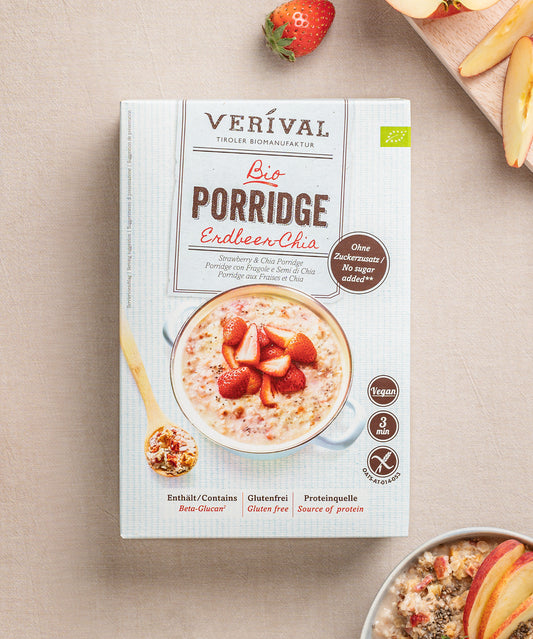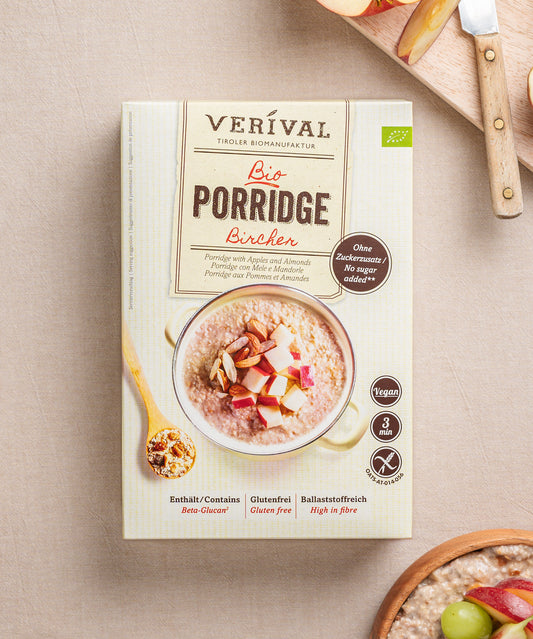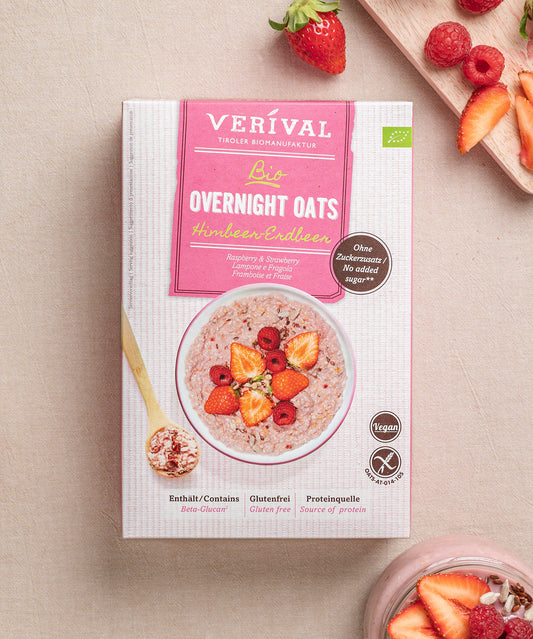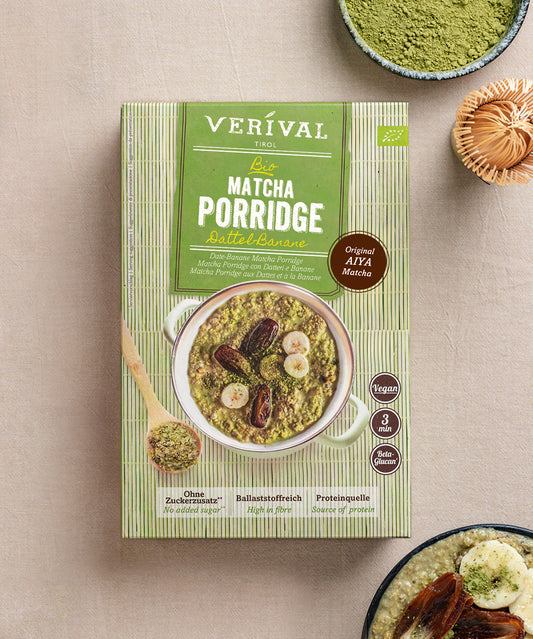

Oat groats and oat bran are among the oat products that many people are familiar with but often cannot properly distinguish between. Both varieties are made from whole oats and provide you with valuable nutrients, but they fulfil different roles in your diet. If you want to support your digestion, stabilise your blood sugar or integrate fibre-rich meals into your everyday life, it is worth taking a closer look at the differences. In this article, you will learn what makes oat groats and oat bran so special, how to use them correctly and which variety best suits your personal goals.
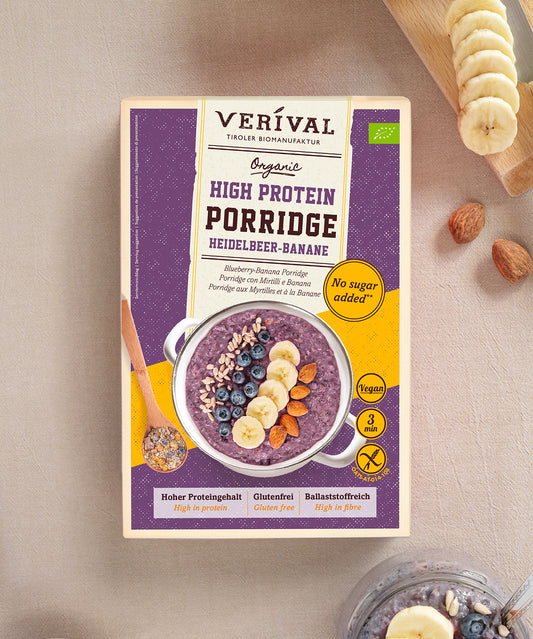
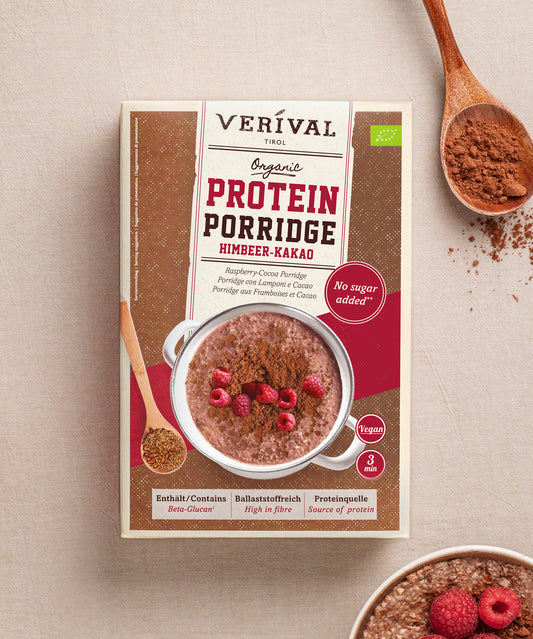
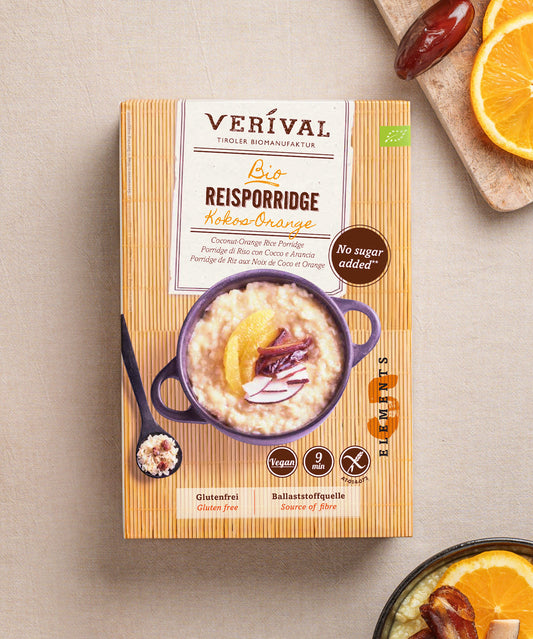
Verival Porridge – the classic breakfast choice!
What exactly are oat groats?
Oat groats are produced when whole oats are coarsely ground. This means that you continue to consume the entire grain structure – the germ, endosperm and thin outer layers. This coarse grinding process largely preserves the natural structure of the oats. This is precisely what ensures that oat groats keep you feeling full for longer, are digested more slowly and keep your blood sugar very stable. This gives you a genuine whole grain product that provides you with long-lasting energy and actively supports your digestion.
Consistency and typical characteristics
Compared to oat flakes, oat groats are significantly grainier, firmer and more hearty. When cooked, they produce a creamy but textured porridge that keeps you feeling full for longer and lets you start the day feeling pleasantly warm. At the same time, oat groats bind liquid particularly well and are therefore ideal for dishes that you want to eat slowly and mindfully – porridge, soups, wholemeal porridge or hearty bowls. As it is less processed than oat flour or tender oat flakes, it provides you with a particularly wholesome nutrient profile and supports your gut with lots of natural fibre.
What is the nutritional profile of oat groats?
Oat groats consist of the whole oat grain – and that's exactly why they are so good for you. They provide a high proportion of soluble and insoluble fibre, which stimulates your digestion, nourishes your intestinal flora and keeps your blood sugar stable. The beta-glucan it contains has a regulating effect on cholesterol levels and ensures long-lasting satiety. In addition, oat groats provide you with valuable plant protein, which supports muscle building and keeps you energised throughout the day.
Vitamins, minerals and natural energy
In addition to fibre and protein, oat groats contain a wide range of micronutrients: magnesium, zinc, iron and B vitamins. This combination supports your immune system and your ability to concentrate, and helps your body to provide energy evenly. As oat groats provide complex carbohydrates, your blood sugar rises very slowly – perfect for anyone who wants to avoid cravings or is sensitive to sharp fluctuations in blood sugar. Overall, oat groats are a natural, wholesome food that strengthens your body in many ways.
Where are oat groats best used?
Oat groats are particularly well suited for warm, filling breakfasts that provide long-lasting energy. Due to their coarser structure, they swell more slowly than oatmeal, resulting in a creamy but firm porridge. Oat groats are perfect for classic porridge, breakfast porridge, cereal diets or even as a base for savoury bowls. Especially if you need something warm in the morning that soothes your stomach and nourishes you at the same time, oat groats are ideal for your routine.
Versatile in savoury and sweet recipes
In addition to breakfast dishes, you can also use oat groats in savoury cuisine. It thickens soups and stews, gives vegetarian patties structure and works as a nutritious addition to bread, roll or muesli bar recipes. In smoothies, it makes them more filling without making them sweeter. If you like natural, hearty whole grains, you can even use oat groats as a base for overnight oats – you just need to soak them a little longer than conventional oat flakes.
What exactly is oat bran?
Oat bran is not made from the whole grain, but from the outer layers of the oat grain, i.e. the outer layer and the germ. This is where the highest concentrations of vitamins, minerals and fibre are found. While oat groats contain the whole grain, oat bran provides you with a kind of ‘nutrient concentrate’ that is particularly rich in beta-glucan, magnesium and B vitamins. Due to its fine structure, bran dissolves easily in liquids and makes recipes creamier without adding much volume.
Why oat bran is often considered a ‘healthy power food’
The density of valuable ingredients makes oat bran a popular food if you want to consciously improve your diet. The beta-glucan it contains can regulate your cholesterol levels, stabilise your blood sugar and support your digestion. As oat bran is very fine, it satisfies hunger faster than many other cereal products and is ideal if you are looking for an option that lasts a long time but is not heavy.
Oat bran is particularly helpful if you:
- want to improve your fat metabolism,
- are sensitive to sugar or fast carbohydrates,
- want to nourish your gut with soluble fibre,
- want to make your meals richer in protein and fibre.
Overall, oat bran is a small but powerful food and an ideal addition to breakfast dishes, shakes or pasta.
How is oat bran produced?
To obtain oat bran, the oat grain is processed in several steps. First, the inedible husk – the hard shell that protects the kernel – is removed. This is followed by a careful grinding process. During this process, the outer layers, i.e. the aleurone layer, parts of the husk and the germ, are separated from the inner endosperm. It is precisely these outer components that later form the oat bran. Because they contain the highest concentration of minerals, B vitamins and fibre, bran is considered particularly valuable.
Fine tuning: cleaning, sorting and quality control
After separation from the grain body, the bran is further cleaned, sieved and crushed to give it its fine, easily soluble consistency. This step determines whether the oat bran will later become creamy in porridge, mix well into yoghurt or provide the desired binding when baking. High-quality manufacturers also pay attention to low temperatures so that heat-sensitive vitamins are preserved. Modern processes also ensure that the bran remains as pure as possible, i.e. without hard husk residues and with a uniform structure.
The end result is a product that is not only rich in nutrients, but also versatile and easy to use – whether in a warm breakfast, a shake or as a fibre booster in dough.
Verival muesli with no added sugar – try it now
What is the nutritional profile of oat bran?
Oat bran is one of the most fibre-rich oat products available. It has a particularly high proportion of soluble fibre, especially beta-glucan. This special fibre has a positive effect on cholesterol levels, digestion and blood sugar. Beta-glucan swells significantly, binds fluid and ensures a long-lasting feeling of satiety. If you want to relieve your intestines or maintain stable energy levels, oat bran supports you in a natural way.
Rich in vitamins, minerals and plant protein
In addition to fibre, oat bran provides a considerable amount of protein, which strengthens your muscles and helps you feel full. It also contains an impressive selection of micronutrients: magnesium, zinc, iron, phosphorus and B vitamins. Because bran consists of the outer layers of the grain – where most of the vitamins and minerals are found – it occupies a special position among oat products.
The result: a nutrient-dense food that supports your energy, digestion and metabolic health – even in small amounts.
How can you use oat bran sensibly in your diet?
Oat bran is ideal for incorporating into your breakfast because it swells quickly and creates a creamy consistency. A spoonful in your healthy porridge, yoghurt or a warm breakfast bowl makes the dish higher in fibre and keeps you feeling full for much longer. If you want to keep an eye on your blood sugar, oat bran also helps to maintain a steady energy level – ideal for starting the day.
Versatile in shakes, baked goods and savoury dishes
Oat bran is not only suitable for breakfast. You can mix it into smoothies, use it as a substitute for some of the flour in bread and muffins, or add it to soups and stews to add texture and nutrients. It is important to add enough liquid, as bran has a strong binding effect. Even small amounts are enough to enhance your entire meal.
What are the differences between oat groats and oat bran?
Oat groats and oat bran both come from whole oats, but they differ significantly in terms of production, nutrient distribution, taste and use. If you know the properties of both products, it will be much easier for you to use them in your diet.
Difference no. 1: fibre content & beta-glucans
Oat bran contains the highest amounts of fibre because it consists of the outer layers and the germ of the grain. This is where the valuable beta-glucans are found, which have been well researched scientifically and can lower your cholesterol levels. Oat groats, on the other hand, also provide plenty of fibre, but the proportion is lower because groats contain the entire grain and not just the particularly fibre-rich husk.
In short: bran = maximum fibre, groats = balanced whole grain profile.
Difference no. 2: Protein and mineral content
Oat bran also scores significantly higher in terms of protein and minerals such as magnesium, zinc and iron. Since the nutrients are particularly concentrated in the outer layers of the oat grain, bran provides more micronutrients in a small volume. Oat groats still provide you with a broad, balanced range of nutrients, but in a more diluted form because more starchy parts are processed.
So if you want to specifically increase your intake of protein or minerals, it is better to choose bran.
Difference no. 3: Processing & preparation
Oat groats are more versatile because they can be used for cooking or left to soak for a long time. This makes groats suitable for overnight oats, porridge, patties, bread and savoury dishes.
Oat bran, on the other hand, usually requires heat or a lot of liquid to make it digestible and allow it to swell. It is less suitable for cold overnight oats, but ideal for warm porridge or thickening dishes.
Difference no. 4: Taste & consistency
Oat bran often tastes nuttier and more intense, while oat groats have a mild, pleasantly nutty aroma. Groats add bite, while bran makes the consistency creamier.
So if you want texture → groats.
If you want creaminess and nutritional power → bran.
How can you use bran and groats sensibly in your diet?
To get the most out of both oat products, it's worth using them in a targeted and conscious way. Oat groats are ideal if you want to prepare warm, filling meals that provide long-lasting energy. You can use them in porridge, soups, patties, breads or overnight oats. Their coarse texture keeps you feeling full for longer and supports your digestion in a natural way.
Oat bran is best used when you want to enhance the nutritional value of your meals. As bran is particularly rich in fibre and beta-glucans, it is perfect for your warm breakfast porridge, smoothies, thickening sauces, in yoghurt or as an addition to bread and baking dough. It swells up considerably and makes dishes creamy without overpowering the taste.
It is best to combine both products depending on your goal: groats for structure and energy, bran for nutrient density and creaminess.
Bran vs. groats – which option is suitable for which people?
Whether oat bran or oat groats is better for you depends largely on your personal needs, your digestion and your everyday life. If you want to increase your fibre intake, lower your cholesterol levels or regulate your digestion, you will particularly benefit from oat bran. The high amount of soluble fibre – especially beta-glucans – makes it ideal for people with high cholesterol, irritable bowel syndrome with a tendency to constipation, or for anyone who wants to make their meals more nutritious quickly and easily.
Oat groats are better for you if you want long-lasting satiety, a stable energy supply and a whole grain product that is as unprocessed as possible. Its coarse texture makes it ideal for anyone looking for a robust, authentic oat product – perfect for active people, athletes or anyone who loves a hearty breakfast such as porridge or overnight oats.
In short:
Bran for a nutrient boost – groats for long-lasting energy.
Discover and celebrate the entire Verival breakfast range here!
Conclusion: oat bran vs. oat groats
Oat bran and oat groats both provide you with valuable nutrients, but they differ significantly in their effects and uses. While bran scores with its exceptionally high beta-glucan content and actively supports your digestion and cholesterol levels, oat groats, as a whole grain, provide you with long-lasting energy and a particularly natural nutrient density. Both products complement each other perfectly, so you don't necessarily have to choose one over the other. Choose bran if you need a quick nutrient boost, and go for groats if you want a filling, whole-grain staple food. This way, you can make the most of the full potential of oats.