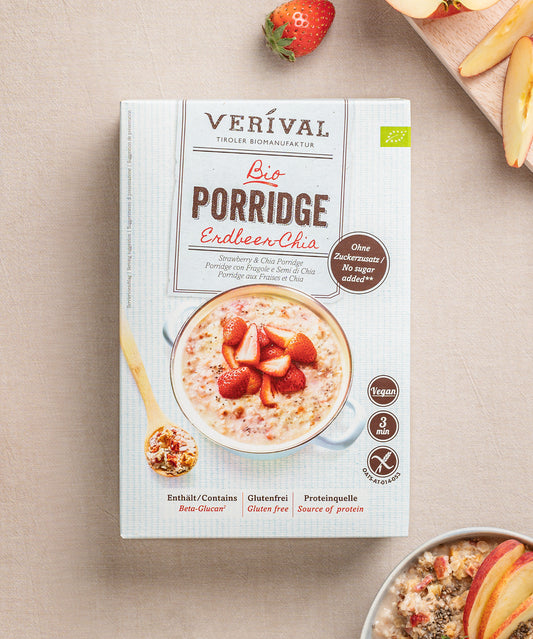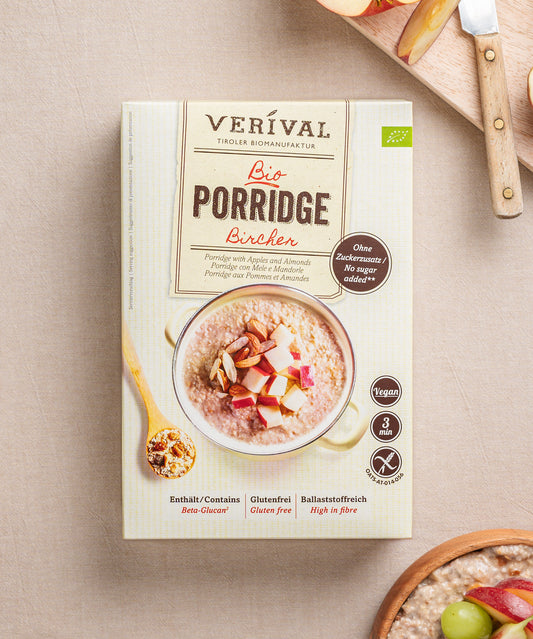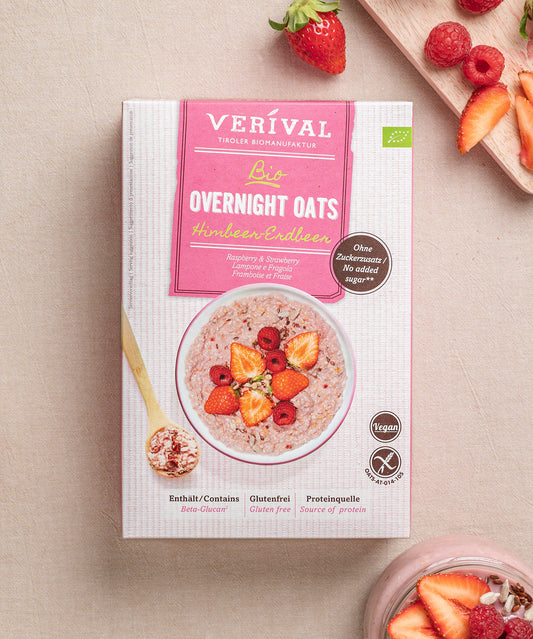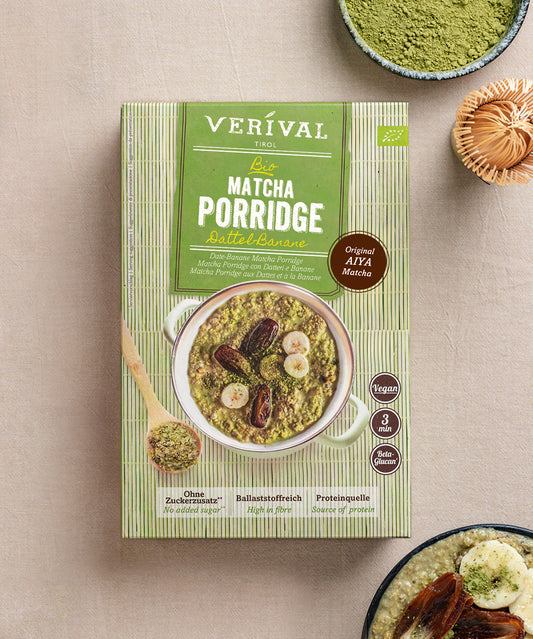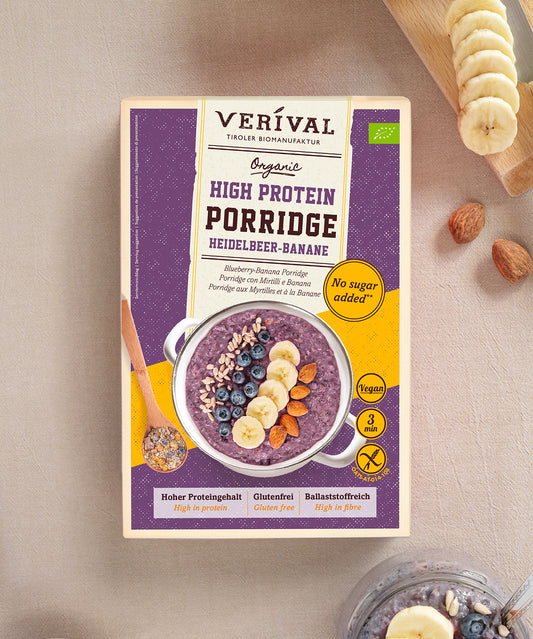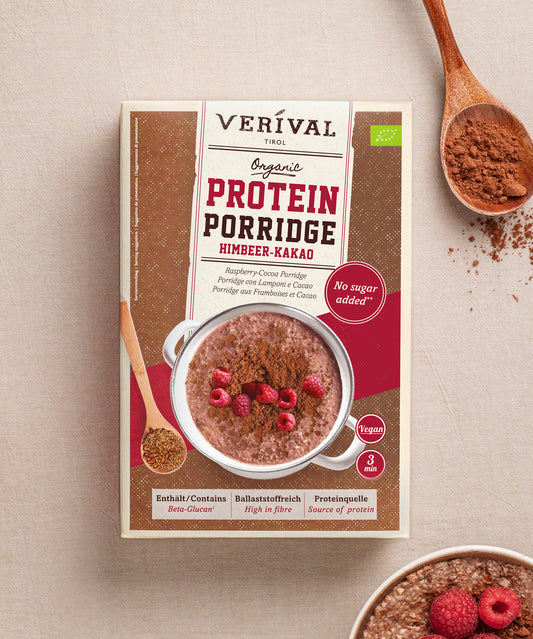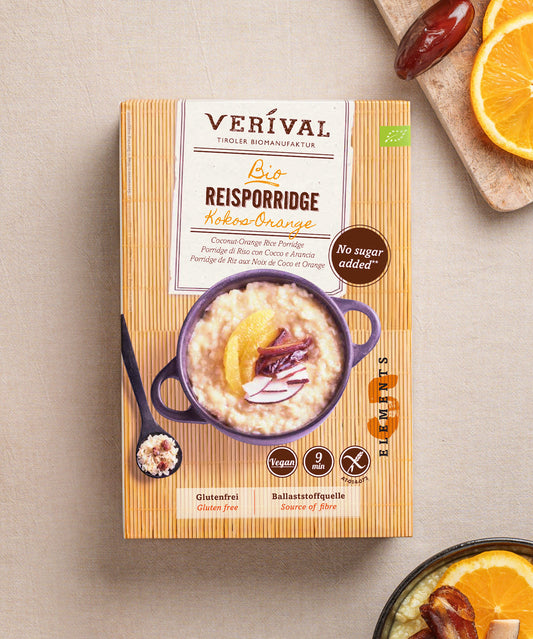

Eating sugar-free foods and incorporating more fiber into your diet can relieve and strengthen the gut on several levels. They influence the composition of the gut flora, blood sugar levels, and feelings of satiety after meals. In this article, we explain what happens in the body and how you can easily apply this knowledge to your everyday diet.
Verival muesli with no added sugar – try it now
Why sugar can harm the gut
Sugar is not fundamentally problematic. However, in large quantities and especially in highly processed foods, it can upset the balance in the gut. Simple sugars are absorbed very quickly and thus alter the internal environment of the gut. Bacteria that prefer such sugars then multiply more rapidly, while other bacteria that form short-chain fatty acids are suppressed. These fatty acids are important for nourishing the intestinal mucosa, maintaining a stable barrier function, and ensuring a balanced microbiome.
High sugar consumption also often leads to pronounced fluctuations in blood sugar levels. These fluctuations are closely related to fluctuating energy levels and can promote inflammatory processes in the body.
The main problem here is added sugar in sweetened beverages and highly processed products, rather than carbohydrates from whole foods. A sugar-free or low-sugar diet therefore aims primarily to avoid added sugar and to cover carbohydrate intake in the form of fiber-rich, natural foods.
The role of fiber in healthy digestion
Fiber is one of the unsung heroes of nutrition. Although it does not provide energy, it is essential for healthy digestion. In the intestine, it performs several tasks that together ensure that the digestive system works calmly and efficiently.
A distinction is made between soluble and insoluble fiber, which each have different effects. Soluble fiber from oats, legumes, flaxseed, or apples binds water, swells in the intestine, and serves as an important food source for beneficial bacteria. This creates an environment in which the microbiome can form stable and diverse structures.
Insoluble fiber from whole grains, vegetables, or nuts, on the other hand, increases volume in the intestines and promotes natural bowel movement. It supports regular digestion and helps regulate transit time through the intestines.
At the same time, fiber influences blood sugar because it slows down the absorption of carbohydrates. This leads to a more even increase and can counteract cravings. The German Nutrition Society recommends about 30 grams of fiber per day, which many people do not achieve in their daily lives.
Oatmeal provides a particularly high-quality mixture for this purpose, as it is rich in soluble beta-glucans. These compounds are considered beneficial for blood sugar, cholesterol levels, and overall intestinal health.
Why sugar-free and high-fiber foods work together ideally
A diet that is as sugar-free as possible and high in fiber does not work in isolation in the intestines, but rather reinforces itself. If the amount of added sugar is reduced, rapid blood sugar spikes decrease and the microbiome shifts less toward sugar-loving bacteria. At the same time, fiber creates an environment in which diverse and beneficial bacterial strains can develop. It provides them with fermentable substrates from which short-chain fatty acids are produced, which in turn strengthen the intestinal mucosa.
This combination stabilizes the internal environment in the gut. Many people report fewer cravings, more consistent energy throughout the day, and a noticeably calmer digestive system.
Practical tips for everyday life
In everyday life, a sugar-free diet with more fiber can be easily implemented if you follow a few simple principles. When shopping, it is worth taking a look at the list of ingredients and choosing products that do not contain added sugar. Whole grain varieties provide significantly more valuable fiber than white flour products and keep you feeling full for longer.
Even small adjustments to your meals can have a positive effect. Legumes, vegetables, nuts, and seeds are easy to incorporate and increase your fiber intake in a natural way. Unsweetened porridge or muesli with few, natural ingredients are particularly suitable for breakfast.
It is important to increase the amount of fiber slowly and drink enough fluids so that the intestines can adjust to the new diet. Even small steps often lead to a noticeable change in daily well-being.
Sample day: Eating sugar-free and high-fiber
A day with little sugar and lots of fiber doesn't have to be complicated or monotonous. The key is to choose foods that keep blood sugar levels stable while providing the microbiome with sufficient fermentable fiber. The following four meals show what such a day can look like and how easy it is to integrate a gut-friendly diet into your everyday life.
Breakfast: Original Bircher muesli recipe
Classic Bircher muesli was invented by Swiss doctor Maximilian Bircher-Benner and has become a popular breakfast recipe worldwide. Its basic principle remains the same today: a mixture of oat flakes, freshly grated apple, and chopped nuts forms the basis.
Preparation time: 10 min.
Refrigerator: 1 hr
Total time: 1 hr 10 min
Keywords: apple, Bircher muesli, oat flakes, muesli
Servings: 4
Ingredients
- 50 g soft oat flakes
- Water
- 600 ml milk
- 1 lemon
- 4 apples
- 4 tbsp grated or chopped hazelnuts
Preparation
- Place the oat flakes in a bowl and cover with water.
- Place the mixture in the refrigerator and allow to soak for at least one hour.
- Remove the oatmeal from the refrigerator in the morning and add the milk.
- Grate the apples over the muesli and stir in.
- Sprinkle the grated or chopped hazelnuts over the muesli.
Tip:
Want to shorten the waiting time in the morning? Then it's best to put the soaked oatmeal in the refrigerator the day before. That way, you can take the oatmeal straight out of the refrigerator the next day and refine the Bircher muesli with the remaining ingredients.
Lunch: High-fiber quinoa and lentil bowl
This lunch combines plant-based protein with a high amount of fiber, ensuring long-lasting satiety without blood sugar fluctuations. The mixture of quinoa, lentils, and fresh vegetables supports the gut while providing plenty of micronutrients for an energy-filled afternoon.
Preparation time: 10 minutes
Cooking time: 20 minutes
Total time: 30 minutes
Keywords: quinoa, lentils, bowl, high in fiber, sugar-free
Servings: 2
Ingredients
- 100 g quinoa
- 100 g beluga lentils
- 1 small zucchini
- 200 g cherry tomatoes
- 1 carrot
- 1 handful of arugula or baby spinach
- 2 tablespoons olive oil
- 1 tablespoon lemon juice
- 1 teaspoon mustard
- Salt and pepper
- Spices to taste, such as paprika, turmeric, or cumin
Preparation:
- Rinse the quinoa under hot water and bring to a boil with 200 milliliters of water.
- Simmer the quinoa over low heat for about 15 minutes until the water is absorbed.
- Cook the beluga lentils over medium heat for about 20 to 25 minutes until soft. Only then season with a little salt.
- Chop the vegetables and sauté in olive oil over medium heat until soft but still al dente. Add the cherry tomatoes a little later and sauté for 5 minutes until soft.
- Mix together the lemon juice, mustard, 1 tablespoon of oil, salt, and pepper to make a dressing.
- Mix the quinoa, lentils, vegetables, and arugula in a bowl and toss with the dressing.
Quinoa and lentils provide complex carbohydrates and high-quality fiber, which keep you feeling full for longer and support gut health.
Snack: Muesli bites
If you tend to get hungry between lunch and dinner, this snack is a simple and nutritious solution. It combines oatmeal, nuts, and banana into a small snack that is satisfying and easy to digest. Ideal for those moments when you need something natural to tide you over.
Preparation time: 10 minutes
Cooking time: 20 minutes
Total time: 30 minutes
Keywords: banana, granola, oatmeal, nuts, sports, whole grain, cinnamon
Ingredients
- 200 g Verival Sport Granola Nuts, Seeds, Coconut
- 1 banana (ripe)
- A little bourbon vanilla
- 1 pinch of cinnamon
- 2 tbsp coconut oil
- 3 tbsp oatmeal
- 1-2 tsp whole grain spelt flour (optional)
Preparation:
- First, preheat the oven to 180 °C (fan oven) and line one or two baking trays with baking paper.
- Mash the banana finely with a fork until there are no lumps left. You can also use a hand blender for this.
- Mix the dry ingredients in a mixing bowl.
- Gently heat the honey and coconut oil and add to the dry ingredients along with the mashed banana.
- Mix everything together until smooth and use 2 teaspoons to place small mounds on the baking sheets.
- Flatten the mounds slightly with a moistened teaspoon or your fingers and bake in the preheated oven for about 10 minutes.
- Then turn the granola bites over and bake for another 7-10 minutes until golden brown.
Dinner: Sugar-free oven-roasted vegetables with chickpeas and yogurt dip
A warm vegetable dish in the evening can satisfy your appetite without weighing you down. These oven-roasted vegetables with chickpeas combine lots of flavor with a high amount of fiber and are completely sugar-free.
Preparation time: 10 minutes
Cooking time: 25 to 30 minutes
Total time: 35 to 40 minutes
Keywords Oven-roasted vegetables, chickpeas, high in fiber, sugar-free, dinner
Servings 2
Ingredients
- 1 medium sweet potato
- 1 eggplant
- 200 g Brussels sprouts
- 1 red bell pepper
- 1 red onion
- 1 can of chickpeas with no added sugar, approx. 240 g drained weight
- 2 tablespoons olive oil
- 1 teaspoon thyme or rosemary
- 1 teaspoon paprika powder
- Salt and pepper
For the dip:
- 150 g plain unsweetened yogurt
- 1 tablespoon lemon juice
- 1 small clove of garlic
- Salt
- Fresh herbs to taste
Preparation:
- Cut the vegetables into bite-sized pieces.
- Rinse the chickpeas and drain well.
- Mix everything in a bowl with olive oil and the spices.
- Spread on a baking sheet and bake in the oven at 180 degrees Celsius for 25 to 30 minutes.
- For the dip, mix the yogurt, lemon juice, pressed garlic, and salt, and refine with herbs.
- Serve the roasted vegetables with the dip.
This dish provides complex fiber from legumes and vegetables and is completely sugar-free.
Conclusion
A diet low in sugar and high in fiber can noticeably relieve the intestines and contribute to a more balanced sense of well-being. It stabilizes blood sugar levels, supports a diverse microbiome, and promotes regular digestion. Even small changes in your daily routine can have an effect, especially if they are maintained over the long term. With natural, fiber-rich foods and a conscious selection of sugar-free products, this diet is easy to implement and integrate into your daily routine on a permanent basis.
Fiber-rich breakfast without sugar – discover it now
Frequently asked questions
What is good fiber for the gut?
Good fiber for the gut includes both soluble and insoluble fiber from natural foods. Soluble fiber from oats, flaxseed, or legumes promotes beneficial gut bacteria. Insoluble fiber from whole grains and vegetables supports bowel movement.
How can I consume fiber without sugar?
Fiber without sugar is found primarily in unprocessed foods such as whole grains, legumes, vegetables, nuts, and seeds. Unsweetened oat-based porridge or muesli are also good ways to increase your fiber intake.
What is the healthiest food for the gut?
Food that is particularly gut-friendly is sugar-free, high in fiber, and as natural as possible. Whole grains, legumes, vegetables, and fermented foods such as natural yogurt or sauerkraut support the microbiome and stable digestion.