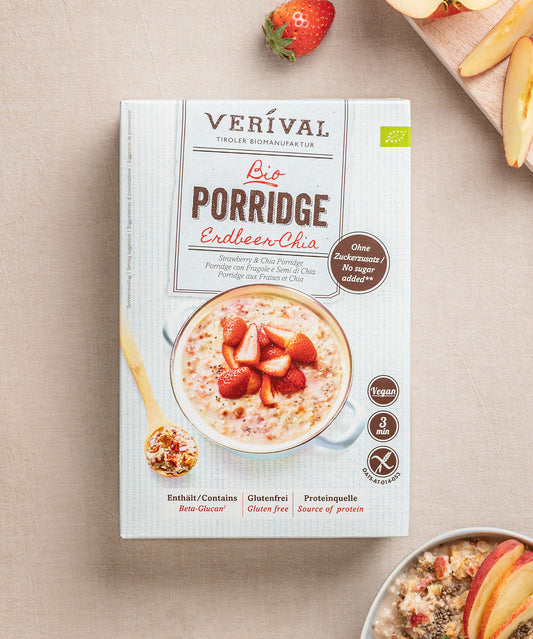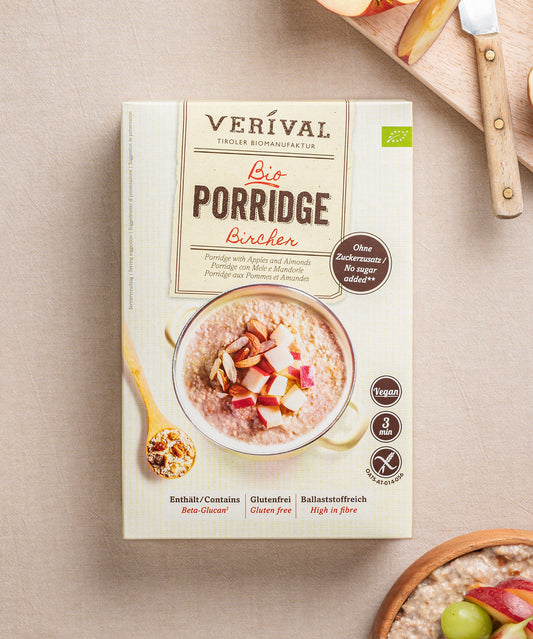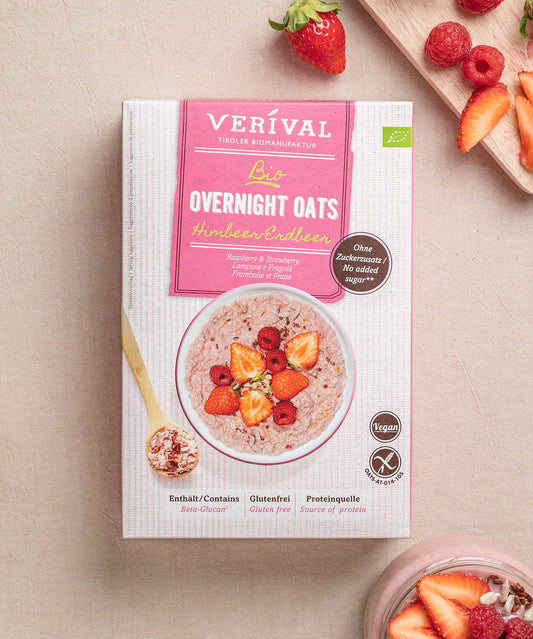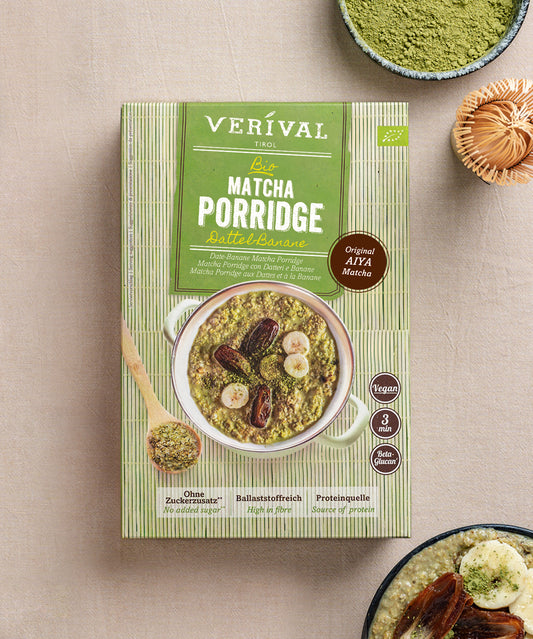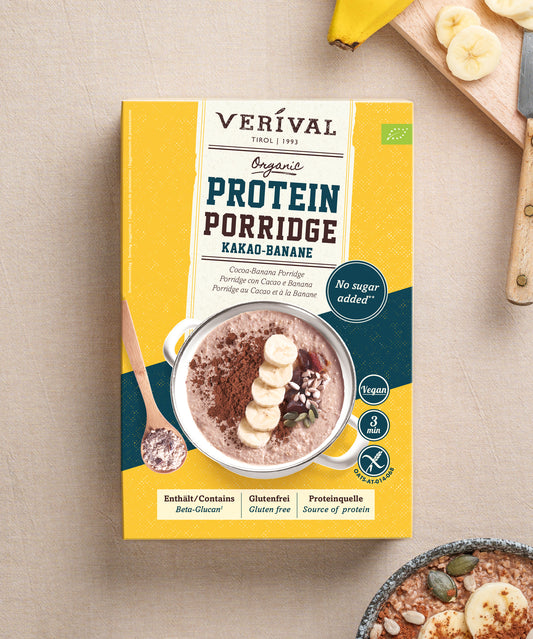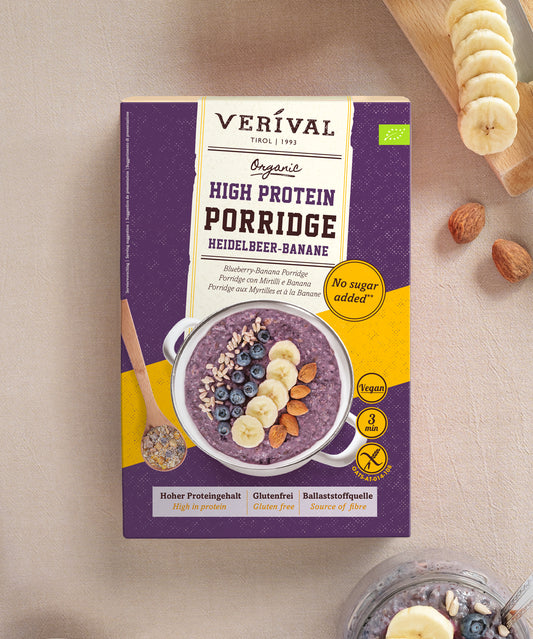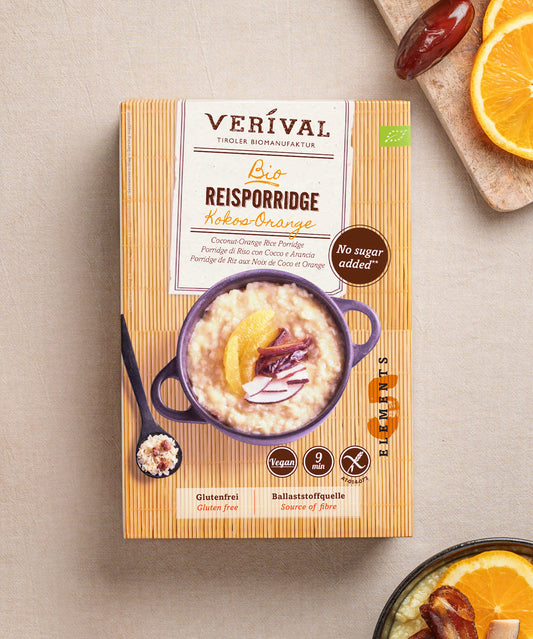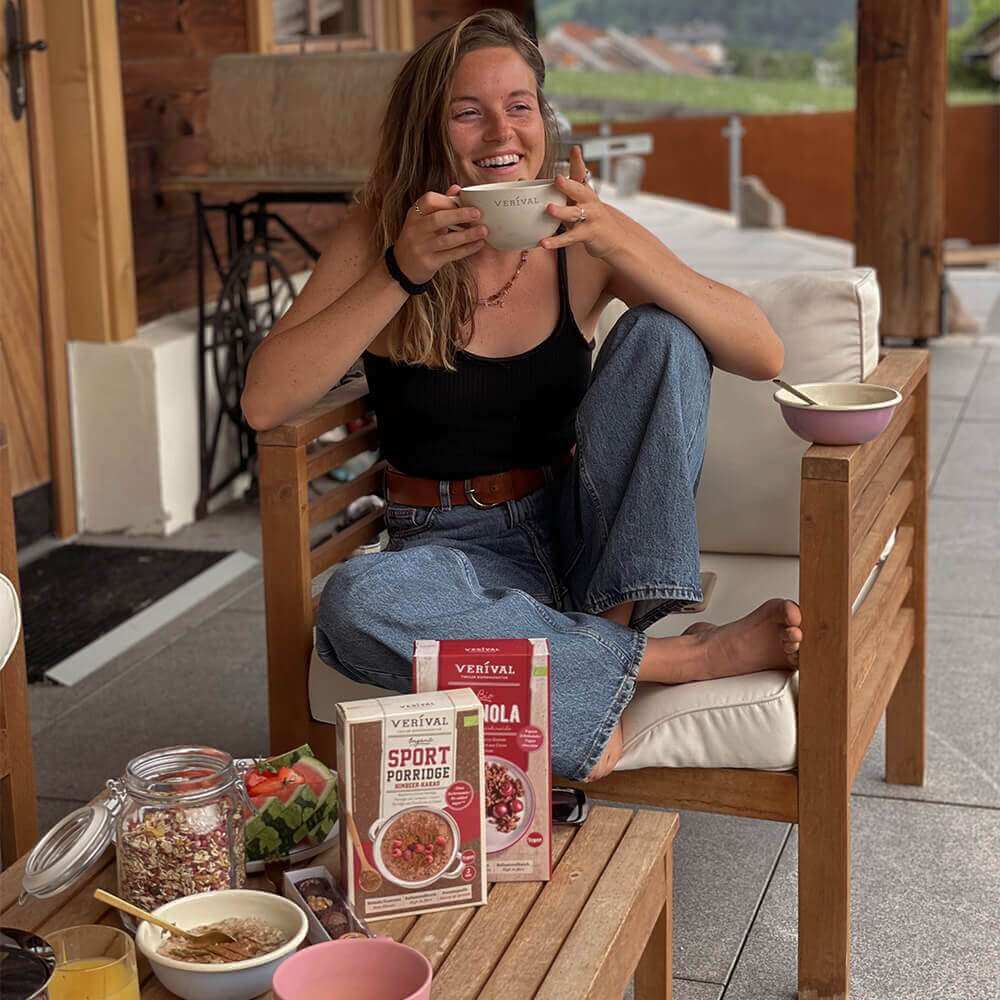

When porridge is simmering on the stove in the morning and the air is filled with the scent of apples and cinnamon, it’s a pleasure to sit down at the breakfast table. A warm meal is especially comforting on chilly days. But does a warm breakfast after age 60 also offer specific health benefits?
Research provides answers to some questions, while for others, your personal experience is what matters most. When it comes to digestion or blood sugar, the ingredients you use and how you prepare them also make a difference.
Enjoy a warm breakfast with Verival Porridge—Try it now
Why a warm breakfast becomes more important after age 60
As you get older, your appetite and sense of taste can change. Some people perceive smells less intensely or feel hungry less often. This certainly doesn’t apply to everyone over 60, but it can affect the enjoyment of eating.
With a warm breakfast, you can experiment with flavors. Cinnamon goes well with apples, vanilla with pears, and a little cardamom with oatmeal. Try out which combination you like best in the morning.
You can also incorporate protein: cook your porridge with milk or stir in some cottage cheese after it’s done. This way, breakfast contributes to your daily protein intake.
A Gentle Start to the Day: How Warmth Affects Digestion
Warm food is often considered particularly easy to digest. Whether this is due solely to the temperature, however, remains unclear. Studies have primarily examined how quickly warm and cold meals leave the stomach and have yielded varying results. No particular benefit for people aged 60 and older can be deduced from this.
Nevertheless, warm oatmeal in the morning may agree with you better than cold muesli. When cooked, the oats absorb liquid and become creamy. You decide for yourself how thick or runny you like it.
Pay attention to how you feel after eating. Portion size and toppings also influence whether your breakfast sits well in your stomach.
Stable Blood Sugar: Why the Type of Oat Flakes Matters
Warmth alone does not keep blood sugar stable. With porridge, what matters more is how heavily processed the oat flakes are.
A review study showed that coarse flakes and rolled oats caused blood sugar to rise less sharply on average than quick-cooking flakes and instant oatmeal. The body can break down the starch in heavily processed flakes more easily.
For your daily breakfast routine, this means: Try whole-grain oats and cook them so they still have a little bite. They go well with plain yogurt, nuts, or seeds. Apple slices or berries add sweetness; use honey and syrup sparingly.
Portion size also makes a difference. A large bowl provides more carbohydrates than a small one.
Morning Circulation: What to Keep in Mind After Breakfast

Some people feel not only full after eating, but also dizzy or unusually tired. This may be caused by a drop in blood pressure. This phenomenon occurs more frequently in older adults and is medically referred to as “postprandial hypotension.” It refers to a drop in blood pressure after a meal.
A warm breakfast doesn’t automatically prevent this. If you regularly feel dizzy after eating and have problems with your circulation, consult a doctor to determine the cause. Together, you can discuss whether, for example, smaller meals might be a good option for you.
For your daily routine, you can start by adjusting your breakfast portion to your appetite and pairing it with a drink. You don’t have to finish a large bowl just because it’s already prepared.
A Warming Breakfast According to TCM: Tradition and Current Research
In Traditional Chinese Medicine (TCM), a cooked breakfast is part of dietary principles. For example, grain porridges are combined with steamed fruit and spices such as cinnamon or ginger.
Here, “warming” doesn’t just describe the temperature of a dish. TCM attributes specific properties to foods. This traditional classification hasn’t been sufficiently confirmed by science and shouldn’t be understood as having a proven effect on digestion or the immune system. Research into the corresponding properties of TCM medicines also leaves questions unanswered.
Nevertheless, this tradition can inspire new breakfast ideas. Maybe you’ll enjoy millet porridge with pear and cardamom or oatmeal with steamed apple. Simply adjust the amount of spices to your liking.
Cold hands, cold feet? What warm foods can do
If you feel cold in the morning, a warm cup of tea often feels comforting. There’s also research to support this: In a small study involving men, warm drinks reduced the sensation of cold and shivering, even though core body and skin temperatures didn’t differ between the compared conditions.
So warmth can feel soothing without actually making your hands and feet demonstrably warmer. Furthermore, the results can’t be easily applied to porridge or, specifically, to people over 60.
If you feel cold constantly or to an unusually severe degree, consult a doctor. A change in your sensitivity to cold may be due to treatable underlying causes.
Practical options: These warm breakfasts are suitable for people 60 and older

Porridge is quick to make and can be prepared in endless variations. Cook coarse rolled oats in milk or a plant-based milk and top with fruit and chopped nuts. A spoonful of quark makes the porridge creamier and adds extra protein.
If you’re looking for a change, try millet or buckwheat porridge as part of your diet for people over 60. It pairs well with pear, cinnamon, and walnuts. Baked oats made with rolled oats, milk, egg, and fruit, on the other hand, are baked in the oven and can be prepared in individual portions.
Do you prefer a hearty breakfast? Then try scrambled eggs with whole-grain bread and steamed tomatoes.
Easy to do: Enjoy a warm breakfast even when you’re short on time
Prepare the night before anything that takes time in the morning: Set out the oats and chop the nuts. You can soak the rolled oats in milk, covered, in the refrigerator and heat them up the next morning while stirring. If the mixture gets too thick, add a little liquid.
For ready-made porridge mixes, follow the package instructions. While the porridge is cooking, you can cut up fruit or make tea.
Let both cool slightly before eating and drinking. Your breakfast should be pleasantly warm so you can enjoy it at your leisure.
More info on warm breakfasts – Learn more now
Frequently Asked Questions
Is a warm breakfast healthy?
Yes, if the ingredients are right. Porridge with milk, fruit, and nuts, for example, provides fiber and protein. The warmth alone doesn’t make a breakfast healthier.
What’s the best breakfast for seniors?
Good options include oatmeal with yogurt and fruit or whole-grain bread with eggs and vegetables. Make sure to include a source of protein and drink water or unsweetened tea with it.
What’s the healthiest breakfast for the body?
There’s no single “healthiest” breakfast. Combine whole-grain foods with protein, fruit, or vegetables, and adjust the portion size to your appetite.