
Many people over 60 notice that their bodies react differently than they used to. While some changes are completely natural, others can be influenced by lifestyle. A balanced diet plays a central role in this. It provides the body with essential nutrients and supports many vital functions that are crucial for health and well-being in older age.
In this article, you’ll learn everything you need to know about healthy eating after 60.
Healthy Verival Organic Breakfast – Try It Now
Why Nutrition Changes After 60
Metabolism changes starting at age 60. The body uses less energy at rest than before, as muscle mass naturally decreases and many people are less active in their daily lives. This also reduces calorie needs.
However, the need for vitamins, minerals, and protein remains the same or even increases. That’s why it’s worth choosing foods that provide as many nutrients as possible per calorie. Experts refer to this as high nutrient density. Some examples include vegetables, fruits, whole grains, legumes, nuts, and high-quality protein sources.
People who continue to eat at age 60 the same way they did at 30 often consume more energy than they need. At the same time, they may end up lacking important nutrients. This is precisely why the quality of nutrition becomes increasingly important as we age.
Nutrient Needs After Age 60: What’s Especially Important Now
Protein is one of the nutrients that is particularly important in older age. It is needed to maintain muscle mass and help the body recover after physical exertion. Good sources include plain yogurt, cottage cheese, eggs, legumes, fish, and nuts.
Dietary fiber is also among the important nutrients for those over 60. It aids digestion and helps maintain normal blood cholesterol levels. Whole-grain products, oatmeal, fruits, vegetables, and legumes, for example, are considered particularly high in fiber.
In addition, older adults should ensure an adequate intake of vitamin B12, as dietary absorption may decrease with age.
Calcium and vitamin D supplements have also long been considered an important part of the diet in older age to prevent bone fractures. However, a large systematic review and meta-analysis from 2026 paints a more nuanced picture. It concludes that supplementation with these two nutrients does not provide clinically relevant benefits for preventing falls or bone fractures in most older adults. This does not mean, however, that calcium and vitamin D are unimportant. Both nutrients remain essential for bone health. Rather, the decisive factors appear to be whether a deficiency actually exists and how high the individual risk of osteoporosis or fractures is.
Eating Healthy for Strong Muscles and Bones
Instead of increasing calcium and vitamin D intake, the current review from 2026 primarily recommends regular exercise and sufficient protein. Together, they form the foundation for mobility and independence in old age.
While 0.8 grams of protein per kilogram of body weight is generally recommended for adults, many professional societies assume a higher requirement for older adults. For healthy individuals aged 60 and older, 1.0 to 1.2 grams of protein per kilogram of body weight per day is often recommended. The reason for this is that the body becomes less efficient at using protein for muscle building as we age.
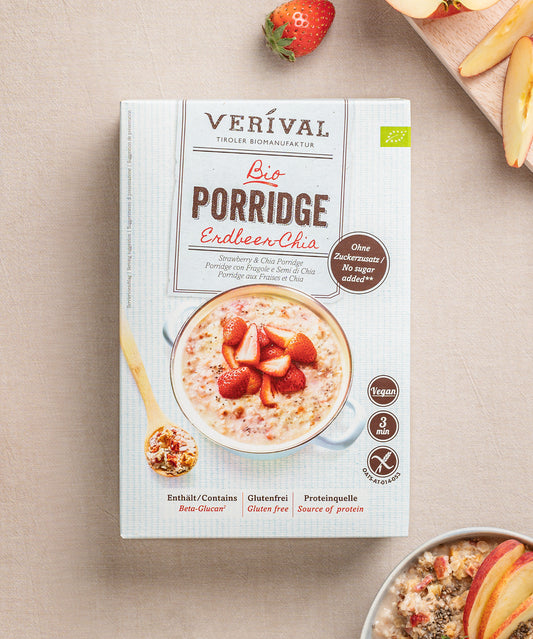
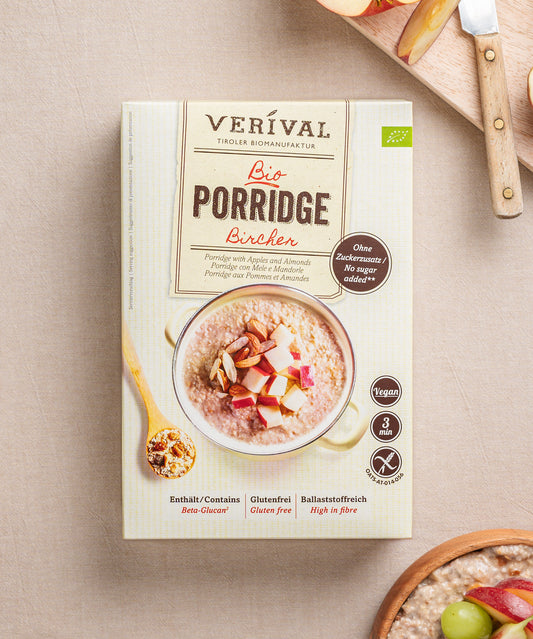
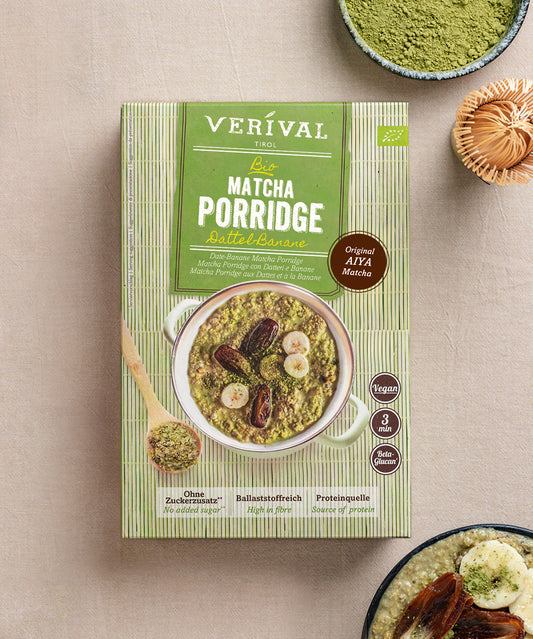
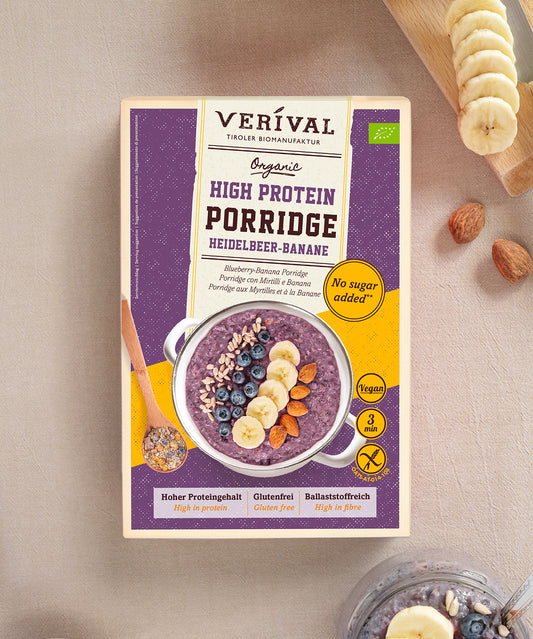
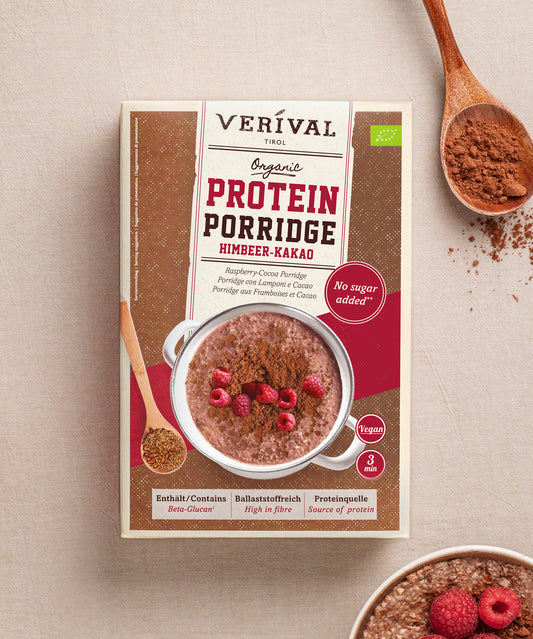
Ideally, protein should be consumed throughout the day. Breakfast alone offers a good opportunity for this, for example with oatmeal porridge, supplemented with yogurt, nuts, or seeds.
Creatine is also currently the subject of intensive research. Studies suggest that older adults may benefit from additional creatine intake, particularly when combined with strength training. For most people, however, a balanced diet with sufficient protein remains the most important foundation for maintaining muscle mass.

Heart-Healthy Eating: What Matters for Blood Pressure and Cholesterol
Cardiovascular diseases are among the most common health challenges in older age. Diet can play a key role in prevention.
Vegetables, fruits, whole grains, legumes, nuts, and high-quality plant-based oils are particularly recommended. At the same time, consumption of highly processed foods and products with high sugar or salt content should be limited.
When it comes to breakfast, oats are particularly noteworthy. The beta-glucans they contain can help lower cholesterol levels. A breakfast of oatmeal, porridge, or muesli is therefore a simple way to support heart health in daily life.
Digestion in older age: How Diet Supports the Stomach and Intestines
Many people notice changes in their digestion as they age. Constipation, sluggish bowel movements, or a feeling of fullness often occur.
The dietary fiber mentioned earlier plays a central role here. It increases stool volume and supports normal bowel function. Adequate fluid intake is also important. Those who consume a lot of dietary fiber should drink enough fluids daily.
Energy and Vitality: How the Right Diet Reduces Fatigue
Fatigue and a lack of energy are often viewed as normal side effects of aging. In fact, however, dietary habits can also play a role.
An unbalanced diet, long breaks between meals, or an insufficient supply of certain nutrients can impair performance.
Complex carbohydrates from whole-grain products provide the body with a steady supply of energy. At the same time, protein, healthy fats, vitamins, and minerals ensure that important metabolic processes run smoothly.
Maintaining a stable weight: Why diets after age 60 are often counterproductive
Many people want to control their weight even as they age. However, strict diets are often not a good solution.
The reason: With a drastic reduction in calories, the body loses not only fat but often valuable muscle mass as well. Yet it is precisely these muscles that are important for strength, mobility, and an active metabolism.
Instead of short-term diets, a long-term balanced diet is recommended. The goal should not be a specific number on the scale, but rather a healthy body weight and an adequate supply of all essential nutrients.
Food for a Strong Immune System
As we age, the immune system also changes. This increases susceptibility to infections and illnesses.
A balanced diet can help support the immune system’s normal function. Vitamins and minerals such as vitamin C, vitamin D, zinc, and selenium are particularly important.
Fruits, vegetables, whole grains, nuts, and seeds provide many of these nutrients. At the same time, an adequate protein intake supports the formation and function of important immune cells.
Mental fitness: Brain food for memory and concentration
Not only the body, but also the brain benefits from a balanced diet. Studies show that certain diets are associated with better cognitive health in older age.
Foods rich in omega-3 fatty acids, antioxidants, and complex carbohydrates are particularly recommended. These include, for example, nuts, seeds, fish, berries, whole grains, and vegetables.
Everyday strategies: How to keep healthy eating simple
Healthy eating doesn’t have to be complicated. Often, just a few simple habits are enough to reap long-term benefits.
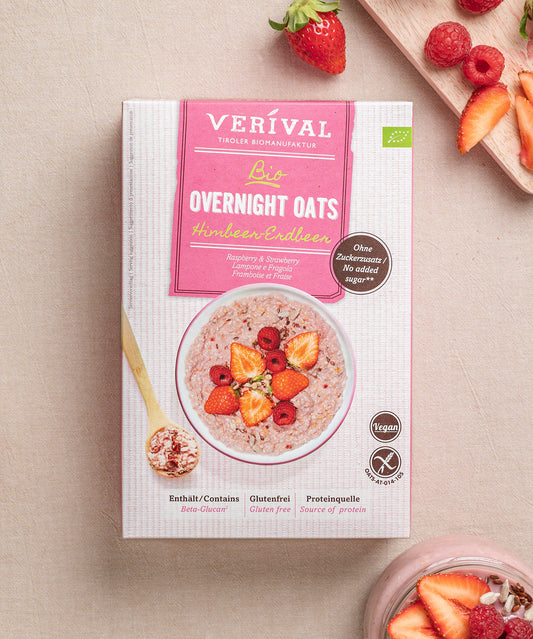
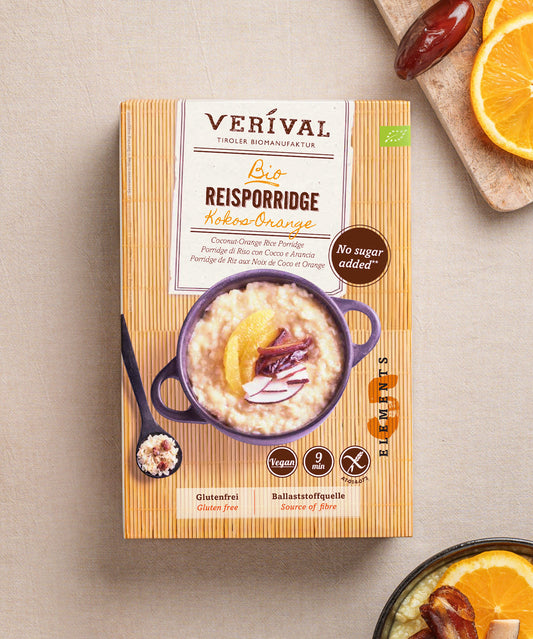
A nutrient-rich breakfast sets a good foundation for the day. Porridge, muesli, or overnight oats provide complex carbohydrates and fiber, and depending on the ingredients, can also contain valuable protein.
It’s also worth eating meals as regularly as possible, drinking enough fluids, and structuring your diet to include plenty of vegetables, fruits, and whole grains.
By making small changes step by step, you can improve your diet in the long term without having to give up enjoyment.
Conclusion: Eating healthy over 60 – easier than you think
A healthy diet after age 60 doesn’t have to be complicated or restrictive. The key is a balanced selection of nutrient-rich foods that meet the body’s changing needs.
Sufficient protein, fiber, vitamins, and minerals support muscles, bones, the heart, the immune system, and the brain. At the same time, regular meals and a balanced breakfast help promote energy and well-being in everyday life.
Fiber-rich Verival Porridge with organic oats – try it now
Source: Massé, O., Mercurio, C. M., Dupuis, S., Al Sahwi, M., Arruda, A., Dallaire, G., Desforges, K., Dugré, N., & Williamson, D. (2026). Calcium, vitamin D, or combined supplementation to prevent fractures and falls: systematic review and meta-analysis. BMJ. British Medical Journal (Clinical Research Ed.), 393. https://doi.org/10.1136/bmj-2025-088050
Frequently Asked Questions
Which three nutrients are essential after age 60?
There is no one-size-fits-all answer, as nutritional needs vary from person to person. However, protein is particularly important for maintaining muscle mass, fiber for digestion and heart health, and vitamin B12, as absorption can become more difficult with age.
What should a 60-year-old woman eat every day?
A balanced diet after age 60 should be rich in vegetables, fruits, whole grains, and high-quality protein sources. It is also recommended to regularly include legumes, nuts, and healthy fats in your diet. What matters is not a single food item, but the combination of various nutrient-rich foods throughout the day.
How should you eat after age 60?
After age 60, it’s worth placing greater emphasis on the quality of your diet. Nutrient-rich foods that provide protein, fiber, vitamins, and minerals are recommended. At the same time, highly processed foods as well as sugar-rich snacks and beverages should be consumed only in moderation.